

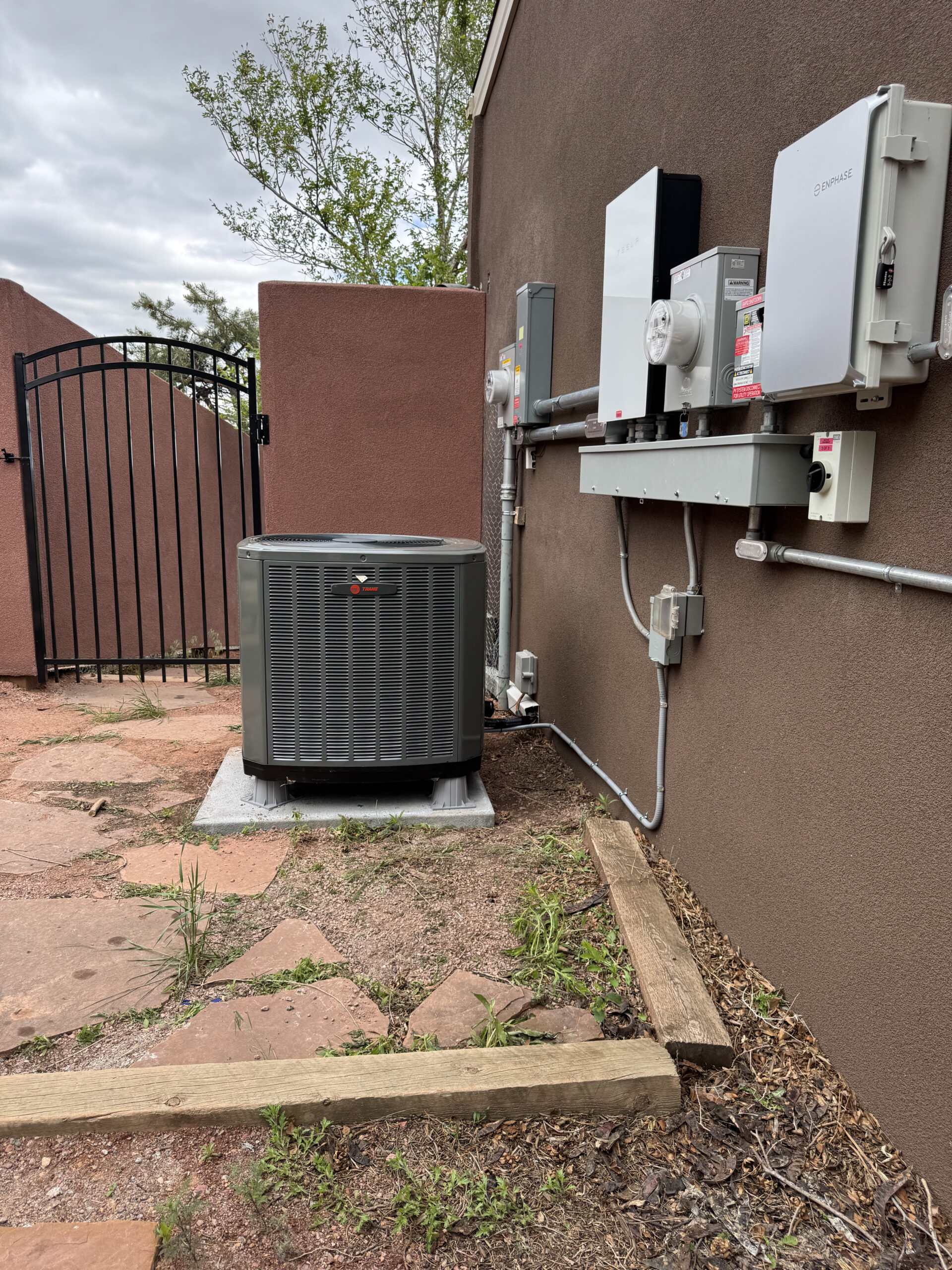
Buying a new air conditioner is one of those big home decisions you only make every 10 or 15 years, so it’s easy to feel a little out of your depth. Before you commit to AC installation services in Fountain, a few key choices will quietly shape your comfort and your power bills for the next decade or more. The brand on the box matters far less than people tend to think, while sizing, efficiency, and who actually installs it matter far more. We’ve put in systems all over the Pikes Peak region for 20 plus years, and the same handful of decisions separate a happy homeowner from a frustrated one. Here’s what’s actually worth thinking through before you sign anything, from someone who installs these for a living.
1. Getting The Size Right
The single most important step happens before the unit is even chosen, and that’s sizing it correctly. A good installer runs a load calculation, often called a Manual J, that factors in your square footage, insulation, windows, and our local climate. Too big and the system short cycles, blasting cold air then shutting off, which wears it out and never pulls the humidity down. Too small and it runs nonstop on the hottest days and still can’t quite keep up. Either mistake costs you money the whole time you own the system, which is why we never rush this step. Up here at altitude, sizing has its own quirks, so a quote based on a quick glance and a guess is a red flag, not a shortcut. Thinner air actually changes how a system performs, which is one more reason a real calculation beats a rough estimate.
2. How Much Efficiency You Actually Need
Efficiency is the next big lever, and these days it’s measured in something called SEER2. A higher SEER2 unit costs more up front but draws less power, which adds up over a long Colorado cooling season. The trick is finding the sweet spot, because the most efficient system on the market isn’t always worth the premium for every home. How long you plan to stay, how hard you run the AC, and your budget all factor into it. A good tech will run those numbers with you instead of simply pushing the priciest model on the floor. For a home you’ll sell in a few years, a mid range unit often makes more sense than the top-tier one.
3. Picking The Right Type Of System
- Central air. Great for homes with solid existing ductwork that want even, whole house cooling.
- Heat pump. Cools in summer and heats in winter, and modern units handle Colorado cold far better than they used to.
- Ductless mini split. Perfect for additions, older homes without ducts, or cooling a few specific rooms.
- Ductwork condition. If your ducts leak, sealing them often matters more than the unit you bolt onto them.
Matching the system to your home, and not just to your budget, is what keeps you comfortable for years to come. The wrong type can work fine and still cost you more than it should every single month.
4. Planning For The Real Cost
- Equipment and labor, itemized clearly, so you know exactly what you're paying for and why.
- Ductwork or electrical updates the install might need, which can otherwise catch people off guard.
- Rebates and financing, since high efficiency units often qualify and payments can soften the hit.
- The long game, where a slightly pricier efficient unit can cost you less over its full lifetime.
Affordable doesn’t mean cheapest, it means honest pricing with nothing surprising bolted on at the end. The number on the first quote should be close to the number on the final bill, and that’s on us to get right.
5. Why The Installer Matters Most
Here’s the part most people underestimate, the install itself matters more than the brand name. Even a top of the line unit will run poorly if the new air conditioner installation is rushed, the refrigerant charge is off, or the ductwork doesn’t match the equipment. A careful install means proper sizing, a correct charge, sealed ducts, and a unit registered for its full warranty. That’s also where permits and code come in, which a cut rate crew might skip and quietly leave you holding the bag. The cheapest bid often turns into the most expensive system once you start counting the callbacks. We’ve been called out to fix more botched installs than we can count, and the repairs usually cost more than doing it right would have.
A new AC is a decade long decision, so the time to get it right is before the install, not after. Nail the sizing, pick a sensible efficiency level, match the system type to your home, and put real weight on who does the work. Get those right and you’ll barely think about your AC again, which is honestly the whole goal.
That’s where Olympic City Air comes in, with certified techs, upfront itemized pricing, and installs done right the first time across Fountain and the Pikes Peak region. When you’re ready to plan a new system, we’ll give you honest answers before you spend a dime. No pressure, no upsells, just the straight version of what your home actually needs.
Your Home Comfort Can't Wait
Thinking about a new system? Call us, Olympic City Air, for honest AC installation advice and upfront pricing.
Ready to get started? It’s fast, easy, and free to get a quote.
Your HVAC Questions, Answered
What size AC do I need for my home in Fountain, CO?
In Fountain, CO, the right size comes from a load calculation, not a rule of thumb, since square footage, insulation, windows, and our altitude all matter. A unit that's too big short cycles and one that's too small never keeps up, so a proper Manual J is worth insisting on.
How much does a new AC installation cost in Monument, CO?
It depends on the system size, efficiency, and any ductwork or electrical work needed, so prices vary in Monument, CO and across the Pikes Peak region. A good installer gives you an itemized quote up front and points out rebates or financing that can lower the cost.
Is a heat pump a good choice in the Pikes Peak region?
Yes, modern heat pumps handle cold far better than older ones and cool in summer too, which suits many Pikes Peak homes. Sizing and a quality install matter most, so have a certified tech assess your home before deciding.
