

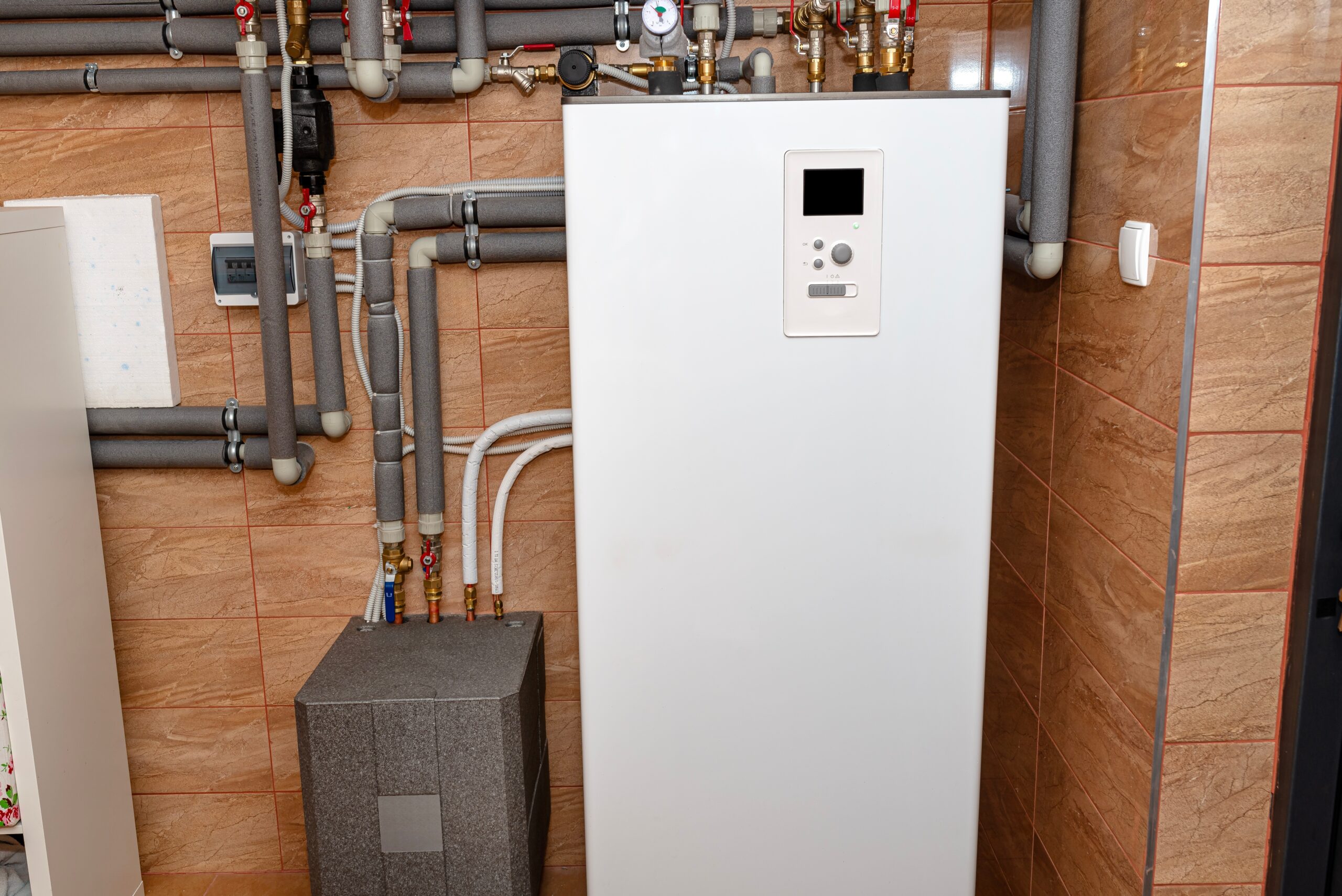
For decades, the standard setup meant one machine to cool your home in summer and a separate furnace to heat it in winter, but that’s quietly changing. More homeowners asking about heat pump services in Fountain are discovering that a single system can handle both jobs, and do it efficiently all year round. Heat pumps aren’t new, but the technology has come a long way, especially for cold places like ours. What used to be thought of as a mild climate option now holds its own through a real Colorado winter. Here’s why so many people in the Pikes Peak region are making the switch, and what’s actually behind the trend.
1. One System For Both Seasons
The biggest draw is simple, a heat pump both heats and cools with one single unit. In summer it pulls heat out of your home like a regular AC, and in winter it runs in reverse, drawing warmth from the outside air and moving it inside. That sounds a little like magic, but it’s really just moving heat around instead of burning fuel to create it. For homeowners, that means one system to look after instead of two, and a smooth handoff between seasons. No more firing up a separate furnace the moment the first cold snap rolls through. It’s all one piece of equipment quietly switching gears as the weather turns.
2. Built To Handle Colorado Winters
The old knock on heat pumps was that they quit working once it got truly cold, and for older models, that was a fair complaint. Today’s cold climate heat pumps are a different breed, built to pull usable heat from the air even well below freezing. Staying on top of heat pump maintenance services is what keeps that performance reliable through our hardest months, since a neglected unit always struggles right when you lean on it most. A clean coil, a correct charge, and a yearly checkup go a long way at our altitude. Skip those and even a great unit will start losing ground when the temperature drops. Plenty of homes across the region now run heat pumps straight through winter without a hiccup. Some pair them with a small backup for the very coldest nights, which covers the rare deep freeze.
3. The Savings That Win People Over
- Lower energy bills: Moving heat costs less than burning gas or running electric strips all winter.
- One system, less upkeep: You maintain a single unit instead of both a furnace and an AC.
- Rebates and tax credits: High efficiency heat pumps often qualify for real money back.
- Cleaner and electric: No combustion in the home means no gas line worries at all.
For a lot of households, the math and the comfort finally line up at the same time. The rebates in particular have pushed plenty of people off the fence lately.
4. Getting One Into Your Home
Switching to a heat pump is more approachable than people tend to expect, especially if you already have ductwork. A proper heat pump installation starts with the same careful sizing any good system needs, plus a real look at your electrical panel and existing ducts. Ductless versions exist too, which makes them a great fit for older homes or additions without any ductwork. That flexibility is a big reason they suit so many different houses around here. The key is having it sized and set up right, because a heat pump that’s rushed in will disappoint no matter how good the equipment is. Done well, the transition is far smoother than most homeowners imagine going in. We walk you through what your home needs first, so there are no surprises on install day.
5. Keeping It Running For Years
- Change the filters regularly, since a clogged filter chokes both airflow and efficiency.
- Keep the outdoor unit clear of leaves, snow, and debris through every season.
- Book an annual tune up so worn parts get caught before they actually fail.
- Call early on odd noises or weak heating, while the fix is still small and cheap.
Treat it well and a quality heat pump will quietly handle your comfort for many years to come. The homeowners who skip upkeep are the ones who end up replacing a unit early.
Heat pumps are catching on for a pretty straightforward reason, they deliver year round comfort from one efficient system that finally works in our climate. Add in lower bills, available rebates, and no combustion inside the house, and the appeal is easy to see. Whether you’re replacing an aging furnace and AC or building something new, it’s worth putting a heat pump on the table.
That’s where Olympic City Air comes in, with certified techs who size it right, install it properly, and keep it running across Fountain and the Pikes Peak region. When you’re curious whether a heat pump fits your home, we’re always happy to give you the honest rundown. No pressure either way, just a clear look at whether it makes sense for you.
Your Home Comfort Can't Wait
Curious if a heat pump fits your home? Call us, Olympic City Air, for honest heat pump advice and upfront pricing.
Ready to get started? It’s fast, easy, and free to get a quote.
Your HVAC Questions, Answered
Do heat pumps work in cold weather in Fountain, CO?
Yes. Modern cold climate heat pumps pull heat from the air even well below freezing, so they handle Fountain, CO winters far better than older models did. Proper sizing and yearly maintenance keep them performing through the coldest stretches.
Are heat pumps worth it in Monument, CO?
For many homes in Monument, CO and the Pikes Peak region, yes, since one efficient system heats and cools and often qualifies for rebates. The savings depend on your current setup, so a load calculation gives you the real picture.
How long do heat pumps last?
With regular filter changes and an annual tune up, a quality heat pump typically lasts around 12 to 15 years. Keeping the outdoor unit clear and catching small repairs early, anywhere in the Pikes Peak region, helps it reach the higher end of that range.
